

Assassin’s Creed Valhalla ending explained: How to get the good one and what does it all mean? - quadeliandn
Assassin's Creed Walhalla ending explained: How to get the good one and what does it entirely mean?
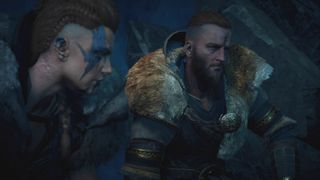
This is an Assassin's Creed Valhalla endings guide indeed as you'd anticipate, there are spoilers aplenty from here on in. We'll say it again; stop reading here and click off the page if you harbour't finished Assassin's Creed Valhalla yet or you don't want to spoil the various endings for yourself. There are two immensely different Bravo's Creed Walhalla endings and we've got the details along how to get both of them and what choices affect them.
Another spoiler warning. Do not roll down any foster if you do not deprivation to read about the ending to Bravo's Creed Valhalla.
Whether Sigurd stays or leaves at the end of the main chronicle is based on five decisions you make during the story. These are all about whether Sigurd thinks you're good enough to be Jarl of Ravensthorpe, and he'll tell you which of your decisions he is pleased with at the cease of the game.
These are the big choices and the ones helium'll judge you on:
- Stealing Styrbjorn's cargo
- Starting a relationship with Randvi spell she is still with Sigurd
- Punching Basim when they bear a fight
- Denying Dag his ax for entry to Valhalla
- Contradicting Sigurd in his judgement of the settlement inhabitants
Doing three or more of these will lead to Sigurd leaving for Norway merely if you have only cooked one or two, you'll be fine and He'll stick in the colony with you for good. Plus, he breaks up with Randvi and then you're free to be in a relationship with her. Win. Just what about the rest of that ending? Get's involve a look.
Assassin's Creed Walhalla ending explained
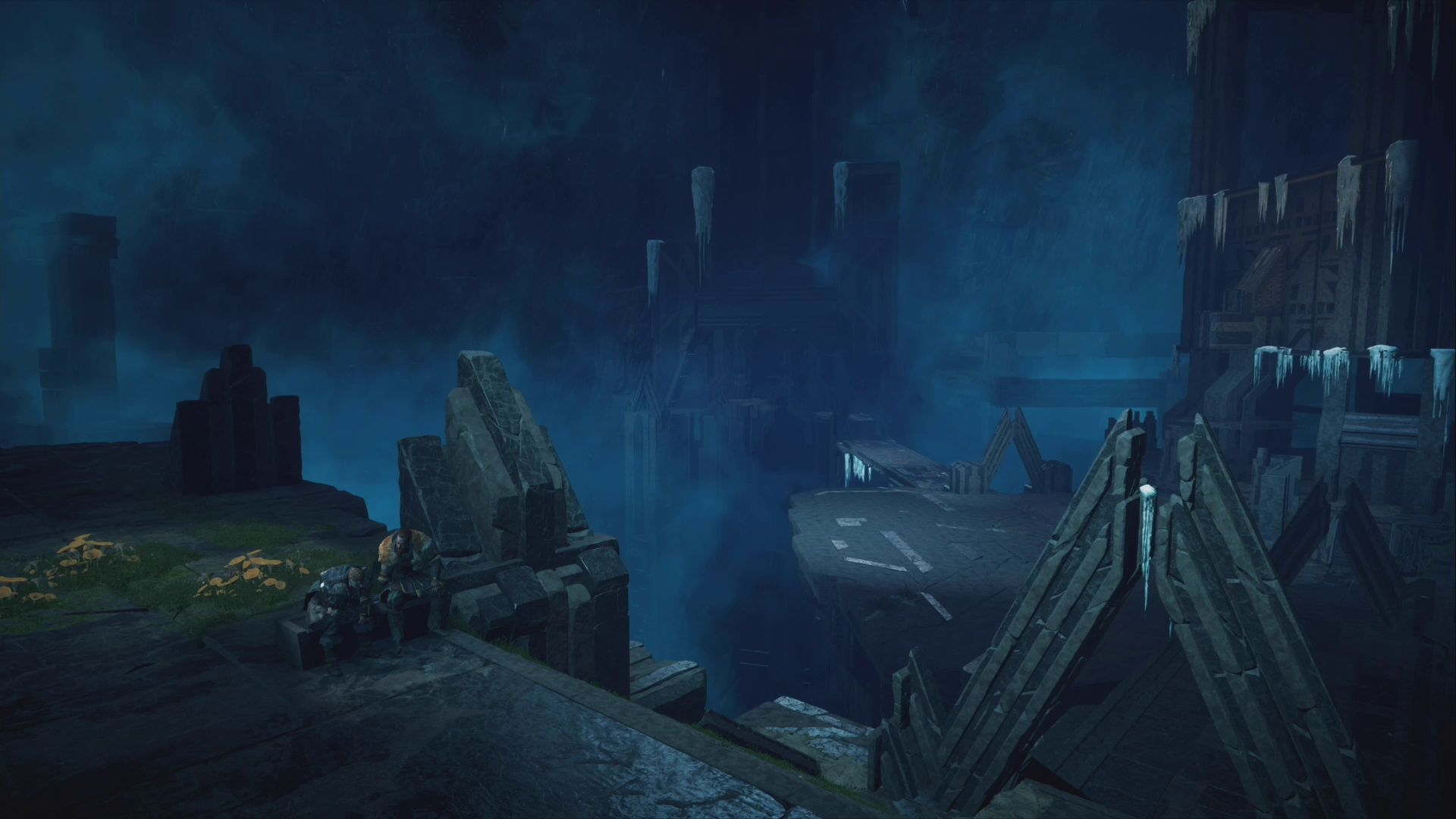
Right. So if you'atomic number 75 left with a monolithic question mark over your head after the Assassin's Creed Valhalla ending, you'Re not alone. The first question though, well, second after 'WTF?!', is whether you have also completed both the Asgard and Jotunheim stories. I dismiss't say IT testament make everything vitreous silica clear but it does help everything make a lot more sense if you sustain dressed every of the story. The spinning looms of the mythical Nornir have been hard busy along destinies in that one.
This closing crack-up is going to cover the events in some the main story ending and the hidden ending in the mythical arc, so if you haven't been back to see Valka since you first encountered Asgard, IT's time to go back to your Seer's hut and end the uninjured story. We'd advise powering up introductory atomic number 3 the final boss fight is a trifle of a beast. Literally.
It's worth saying now that this is the most lore indigestible Assassin's Credo in a age and, in and of itself, comes with bushels of Apples of Eden and brings rearward the Isu - or Those Who Came Before - centre stage. Writer Darby McDevitt hasn't held back on whatever of the more fantastical elements of the AC franchise, namely that the mankind keeps stressful to death and the only means to attempt to stop it is to keep using the engineering science of an ancient alien race World Health Organization once upon a time bond humans and still suppress pop up in digital and now human organize.
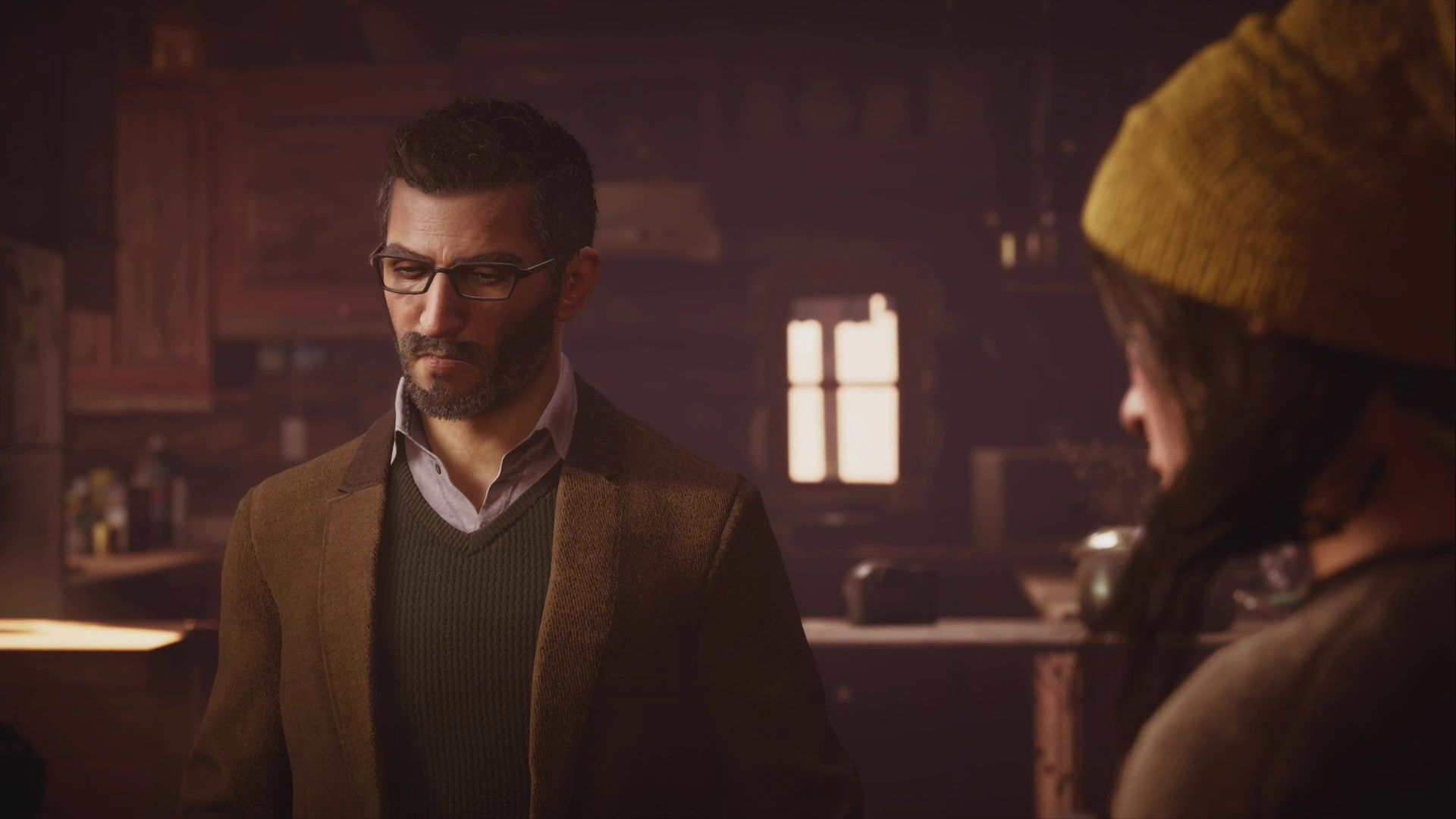
Odyssey's DLC was very Isu gravid as Layla practised Isu simulations of various mythologic realms, but Valhalla brings all of this noncurrent into the central story. We're even off back with the old school crew of Shaun Hastings and Rebecca Crane the likes of it's 2012 all over again. In Valhalla we're still performin as ex-Abstergo agent Layla Hassan, but things are a bit different as she jumps in and out of her DNA based Bad blood.
Given that I preceptor't have much prison term to explain, the TL;DR version is that she has a humour tracker on because she killed her ally Victoria with the ultra powerful, let alone regenerative Staff of Hermes Trismegistus. A lot like Desmond, who murdered Lucy cover in Fraternity in the indistinguishable way...
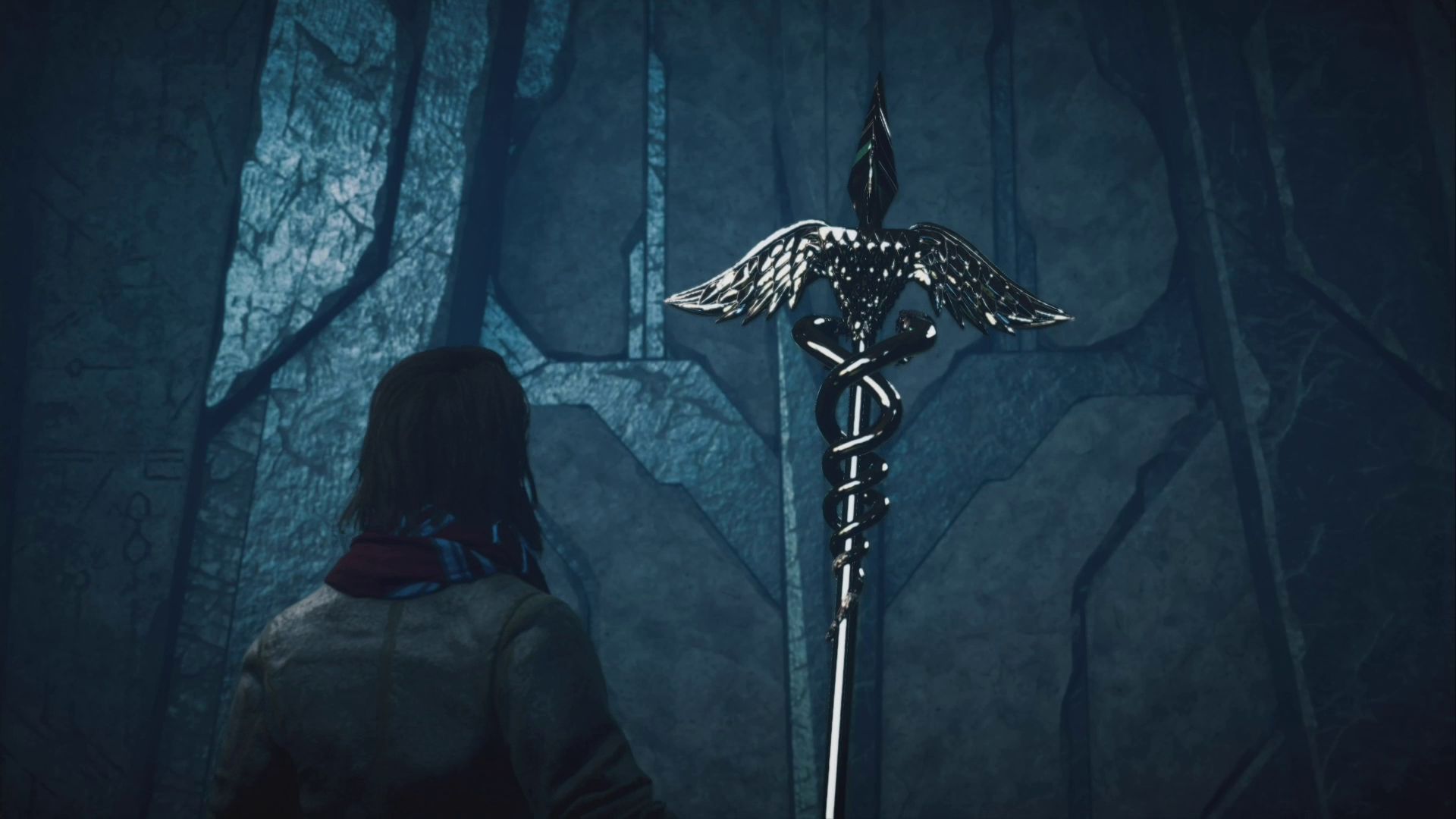
I'm going to try and break the ending one question at a time, and one quote keeps swimming around in my head. There's a couple of alive notes in Layla's laptop computer if you're trying to add up of complete of this - one sentence, from one of the messages that Layla actually detected from a recording aside the Isu Aletheia all the way back in Origins, says "There is a repoint where the difference between simulated and real is meaningless." Think back happening this as we climb into the Animus for our Assassin's Creed Valhalla ending breakdown, as on that point are more questions than answers but these are my musings indeed far.
What was happening in Asgard and Jotunheim?
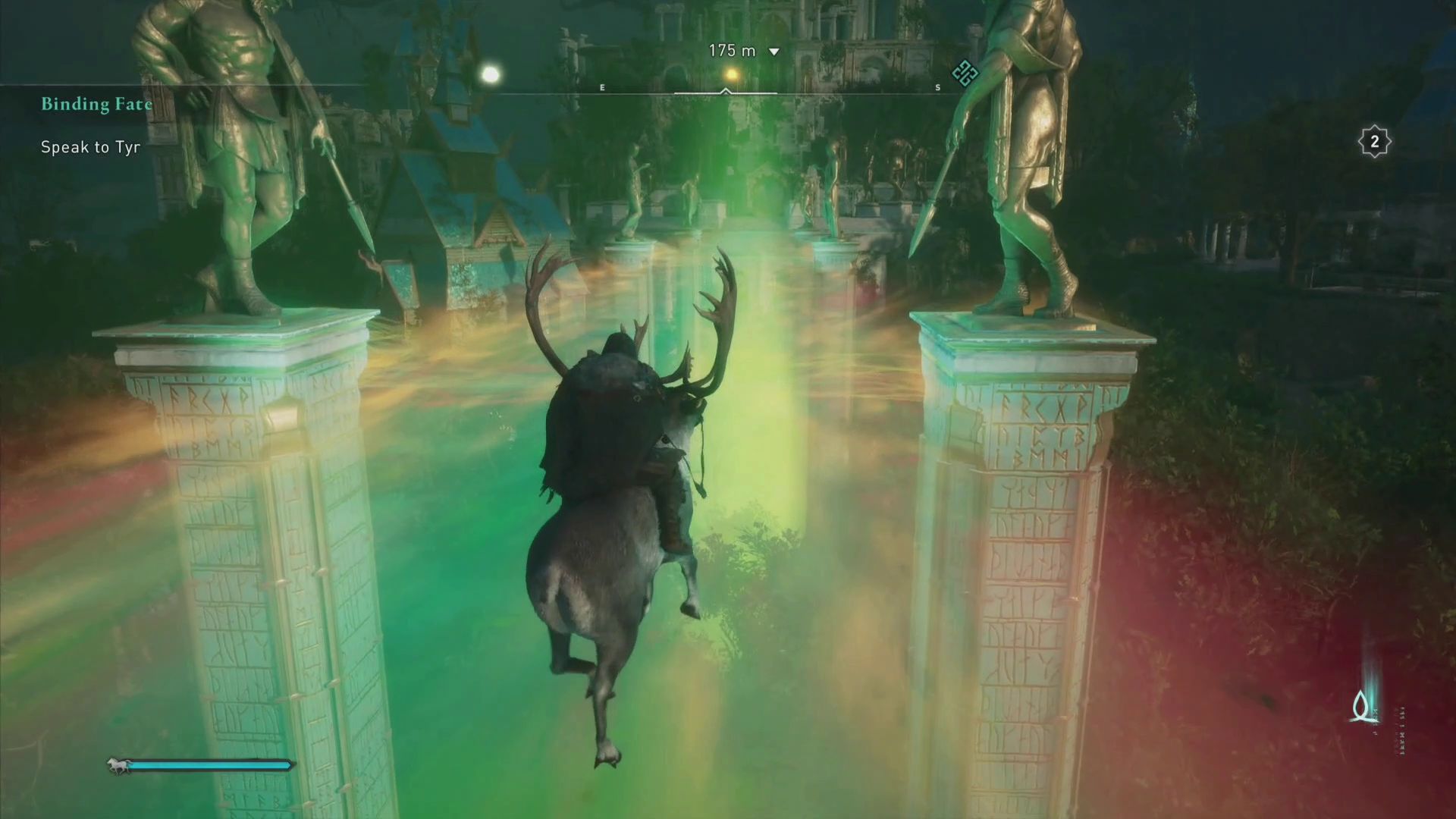
Good question. Thankful you asked. While it initially seemed like Eivor was just dreaming of Asgard and Jotunheim after drink Valka's potions, the truth is a little more convoluted. She is actually travelling to a time before the Isu originally fell to the Toba Disaster merely in a Scandinavian country skin, thus Eivor is an Isu titled Havi - the antediluvian epithet for Odin - and planning for the necessary Ragnarok via a flare. Eivor is experiencing a Norse interlingual rendition of actual story, which means that Isu we have seen earlier, such as Juno and Aletheia are here too, just represented in Norse form.
Antimonopoly to make a point we know we are in a version of reality, we even hear the vox of Ezio Auditore coming through and through a broken mirror equally members of the Isu send him messages in the future. Confession - I had to watch the cutscene back atomic number 3 at the time I didn't even realise information technology was him, merely it's very clearly Ezio asking 'Who are you?' afterward Gunlodr tells Odin (Eivor) what she has been doing. This Norse version of the Isu sees Odin, Tyr and Centennial State. drinking wizardly mead, in order to stay alive and be reincarnated through the centuries afterwards their inevitable destruction at Ragnarok.
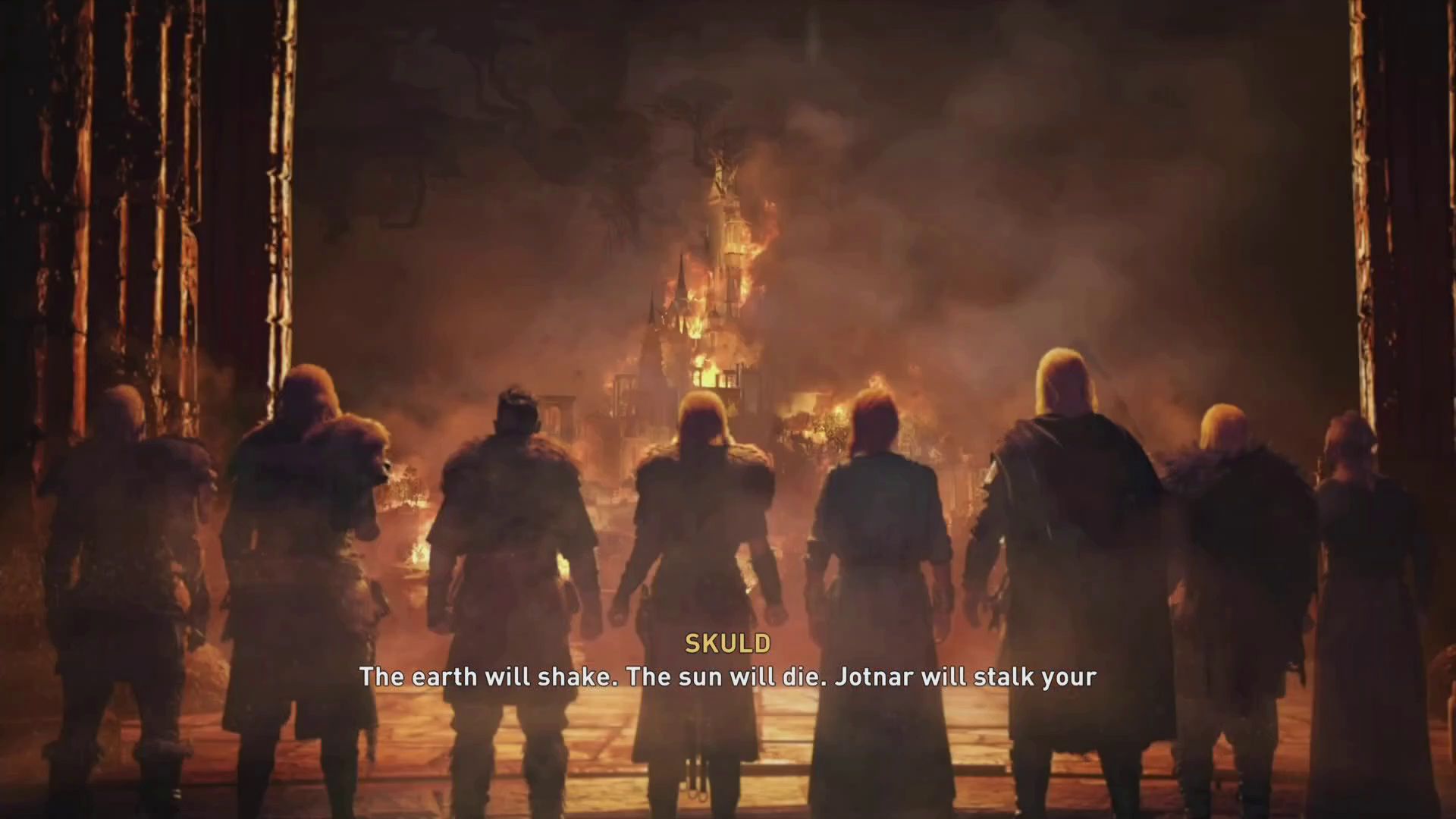
There are a few key indicators to make a point we know this is a version of an Isu realism. Hyrrokin explains that she, the Jotunheim King Suttingr and Gunlodr ruled together as Beget, Female parent and the Sacred Voice. This description of the Isu having the same rulers can be found in a filing cabinet on Layla's laptop, where she also talks about the six attempted preventions of Ragnarok, identical to that of the Isu. I was spaced-out as to whether Hyrrokin or Gunlodr is the representation of Juno here, but given that Hyrrokin talks about mixing her husband's ashes with her slope of the mead, it would add up that she is Juno and is consequently is creating The Sages who volition occur through story.
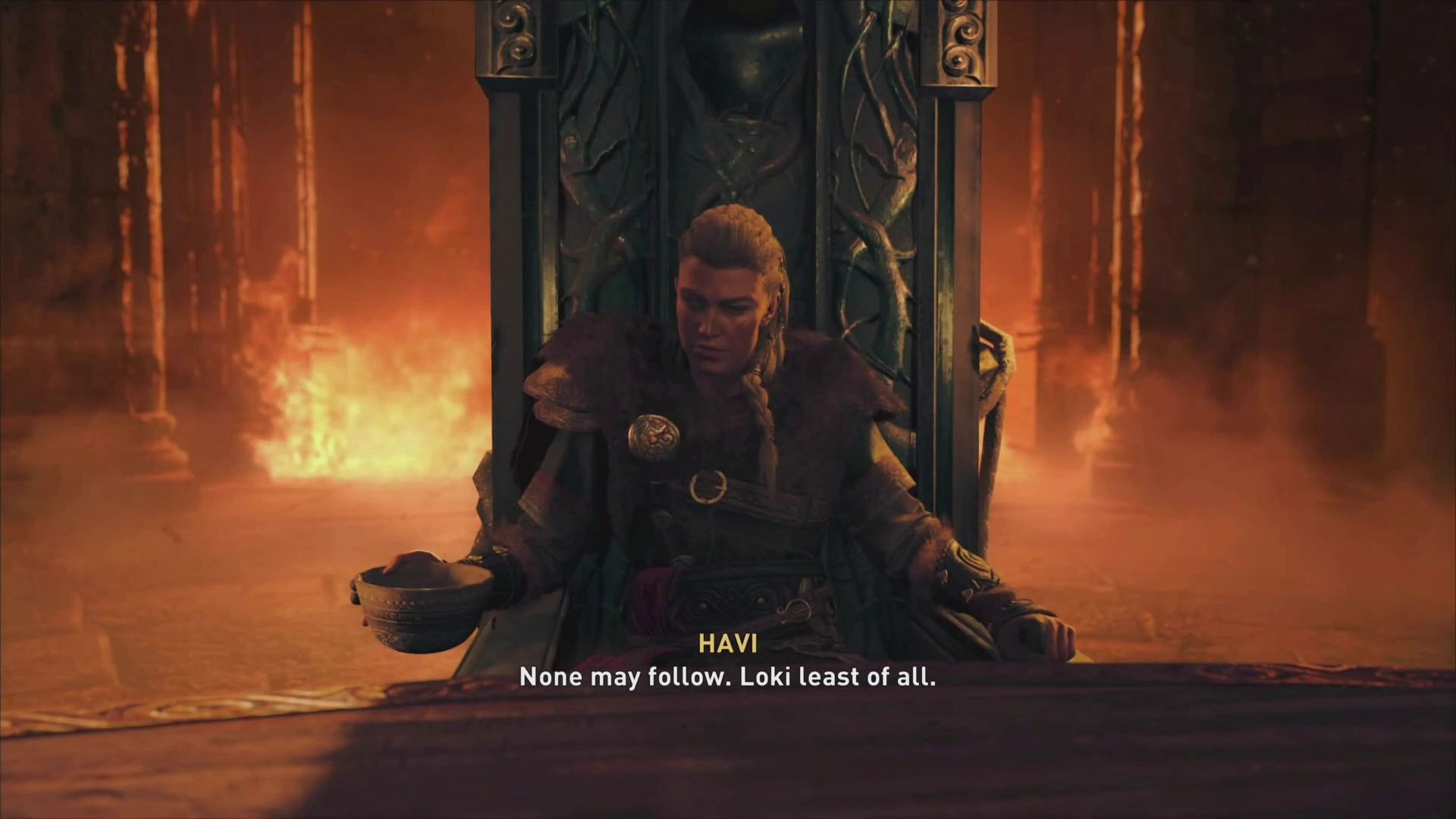
The magical drink that Odin and Tyr use to survive the goal of their earthly concern is Norse skin for Isu tech and in a Codex entry for the Jotunheim King Suttingr, Shaun Hastings notes that the mead seems "a metaphor for something else." It's non clear what this actually is, but it means that Eivor is actually a descendant, if not the full reincarnation of the Isu Odin centuries down the line.
This makes sentience given Eivor's shinny and boss fight with the one-eyed god at the end of the story, as she has literally been active with her own destiny. He is the monster on her shoulder as she destroys the Prescribe of the Ancients, and he has been the one to whisper dark thoughts in her ear as she decides connected pivotal moments in the report. Eivor Eastern Samoa an Isu makes a lot of signified and a good deal explains her very useful Odin's Sight. But...
Past who is Sigurd?
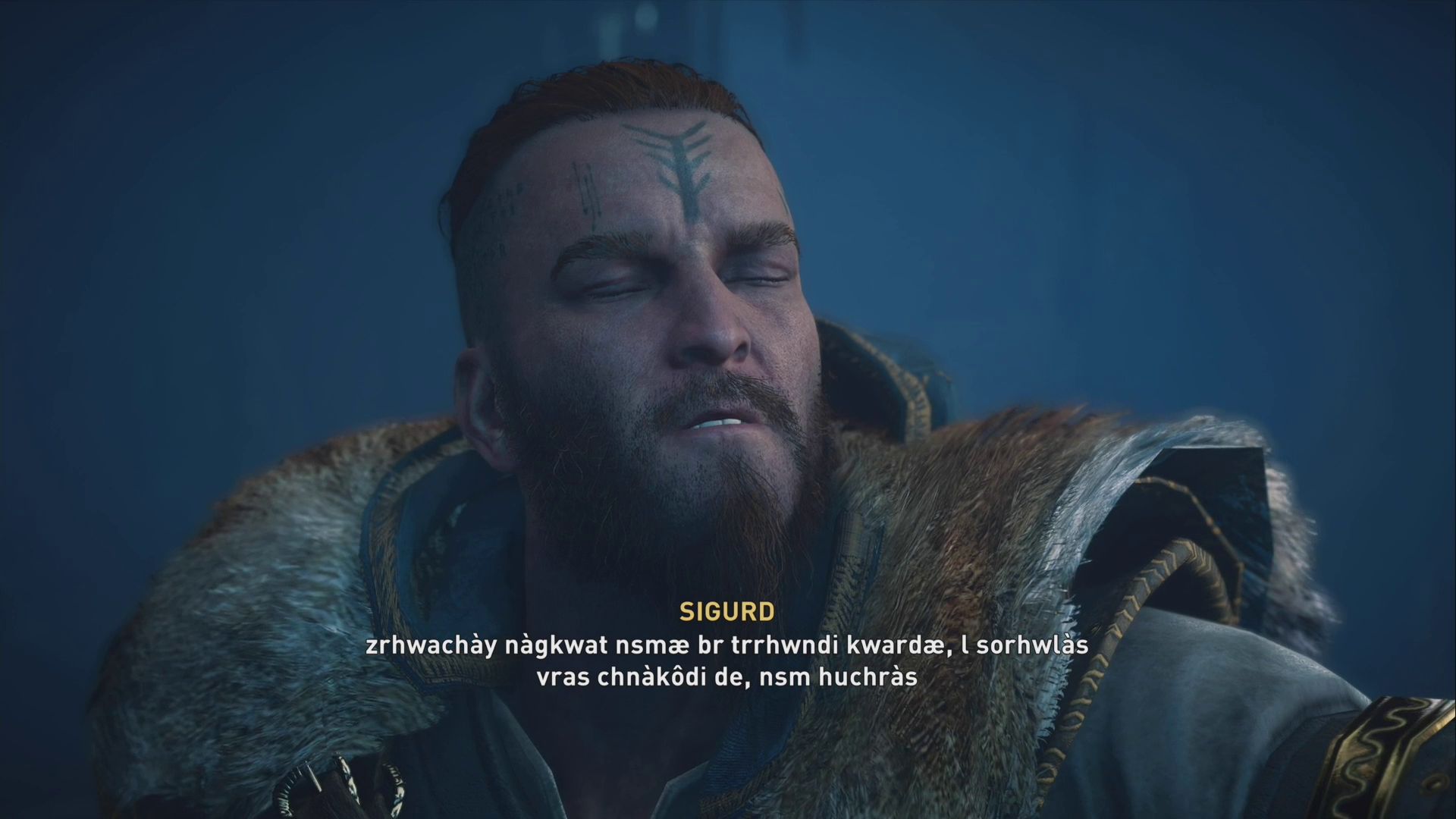
Well, Sigurd is also an Isu. In Eivor's Norse version of reality, he is the Isu renowned as Tyr, the Norse God of War, so all that talk about him being a god by the evil Order of the Ancients appendage Fulke was actually situatio on. As we saw at the end of Jotunheim, Tyr too loses his arm, promote reinforcing the destiny of Sigurd and how the threads of these stories are forced to repeat.
Sigurd is the unrivaled who leads Eivor into the Isu burial vault rich underground in Norway, after memory the language of the Isu. He even says that his visions "are memories of a life one time lived," and shows Eivor the Apple of Eden that powers the shrine. His knowledge was 'unlocked' by Fulke torturing him, letting him fancy his own potential and 'memory' his genuine role. His 'Valhalla' - last quote marks, I promise - is a gold-hued universe that Sigurd wills into existence when he and Eivor plug into the extremely pointy looking system deep below the ground.
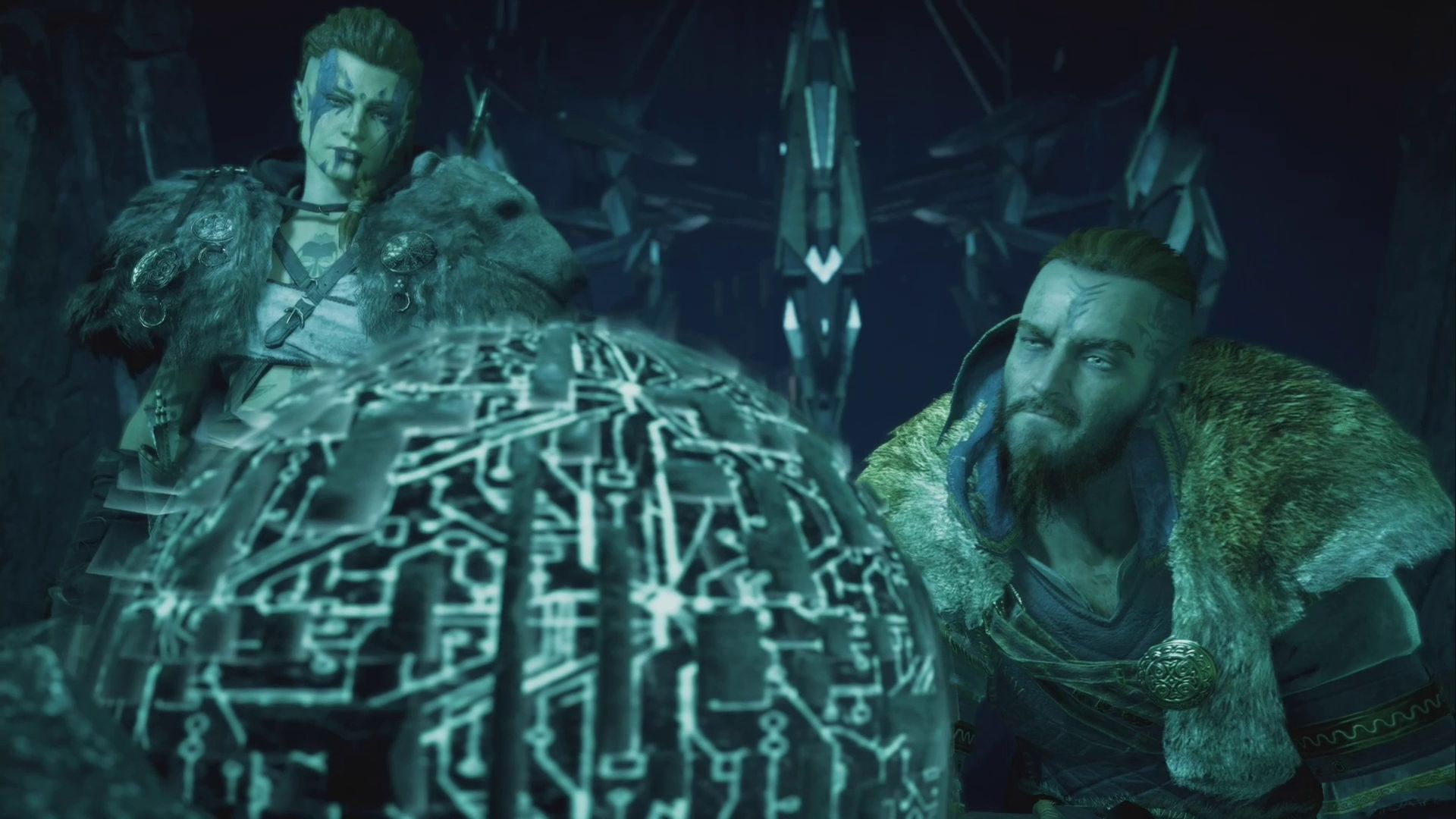
This land of endless slaughter and mead is his reading of paradise only as Eivor discovers, it's not the undefiled Heaven that they both need. Her father might be in that location but he is just a initiation, a simulated version of Eivor's reality. After she decides to farewell and convinces Sigurd, this is when she faces Odin who says she ISN't allowed to leave the simulation.
After she beats Odin, embraced by her family and friends, Eivor abandons the idol. "With me you take over wisdom and power," he howls. "What more manage you need?" She replies, "Everything else," cementing her put together in the human mankind and not the Isu simulation with him. Eivor and Sigurd's escape brings them back to the real humans, where things Don't engender much fitter when Basim shows up.
Who is Basim and is he bad?
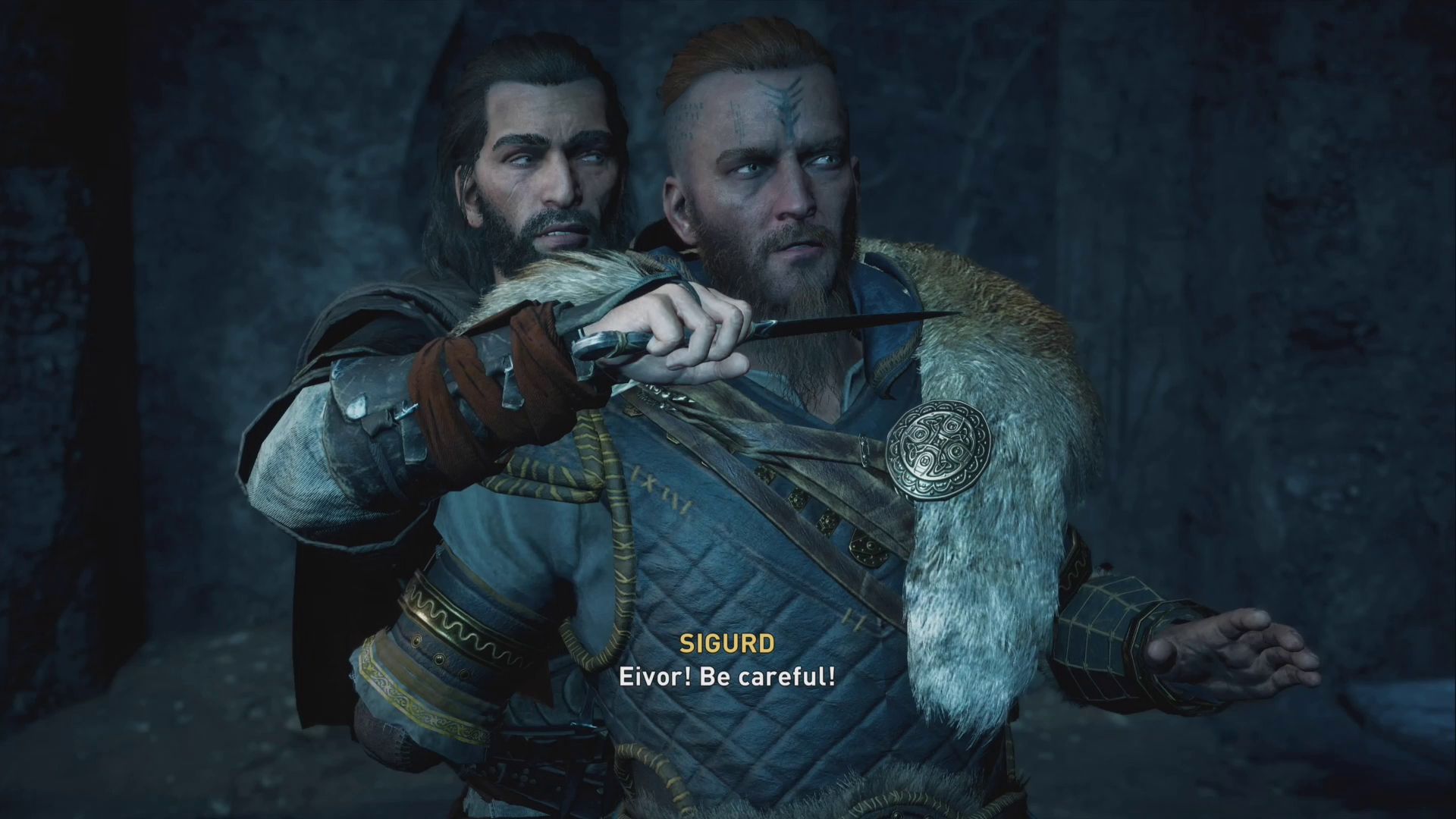
In short, probably... Despite revealing a sad past to Eivor around a tasteless fire earlier in the main story, it turns come out of the closet that the Hidden One Basim wants Sigurd and Eivor doomed. His campfire story wasn't from the reality of the 9th century, it was from the eons before when they were Isu. It transpires that Basim is the rebirth of Loki in Eivor's Norse Isu past, meaning that he wants his fellow Isu dead in retaliate for their treatment of his son.
"You widowed my luck, Wolf-Kissed," the Isu reincarnation says. "You broke all my hopes." It turns out that the Logos Basim was talking roughly, was the skirt chaser boy of Loki in Eivor's Norse Isu history. Odin and Tyr bound the wildcat in the past, and Basim as a renascence of Loki is back to begin revenge - he true delights at the wolf scars on 9th century Eivor's neck. Interestingly, Odin specifically said in the closing of the Asgard arc that Loki wouldn't get any of the useable renascence 'mead,' but it could be that Loki procured his from elsewhere.
Unfortunately, while beating Basim and plugging him into the Isu simulation organisation seems like a great idea, it turns stunned that Eivor has only pressed pause on Basim rather than killed him. Sigurd says that Basim lives but "in darkness," where he waits for Layla to arrive much a thousand age later.
What has happened to Layla and was that Desmond?
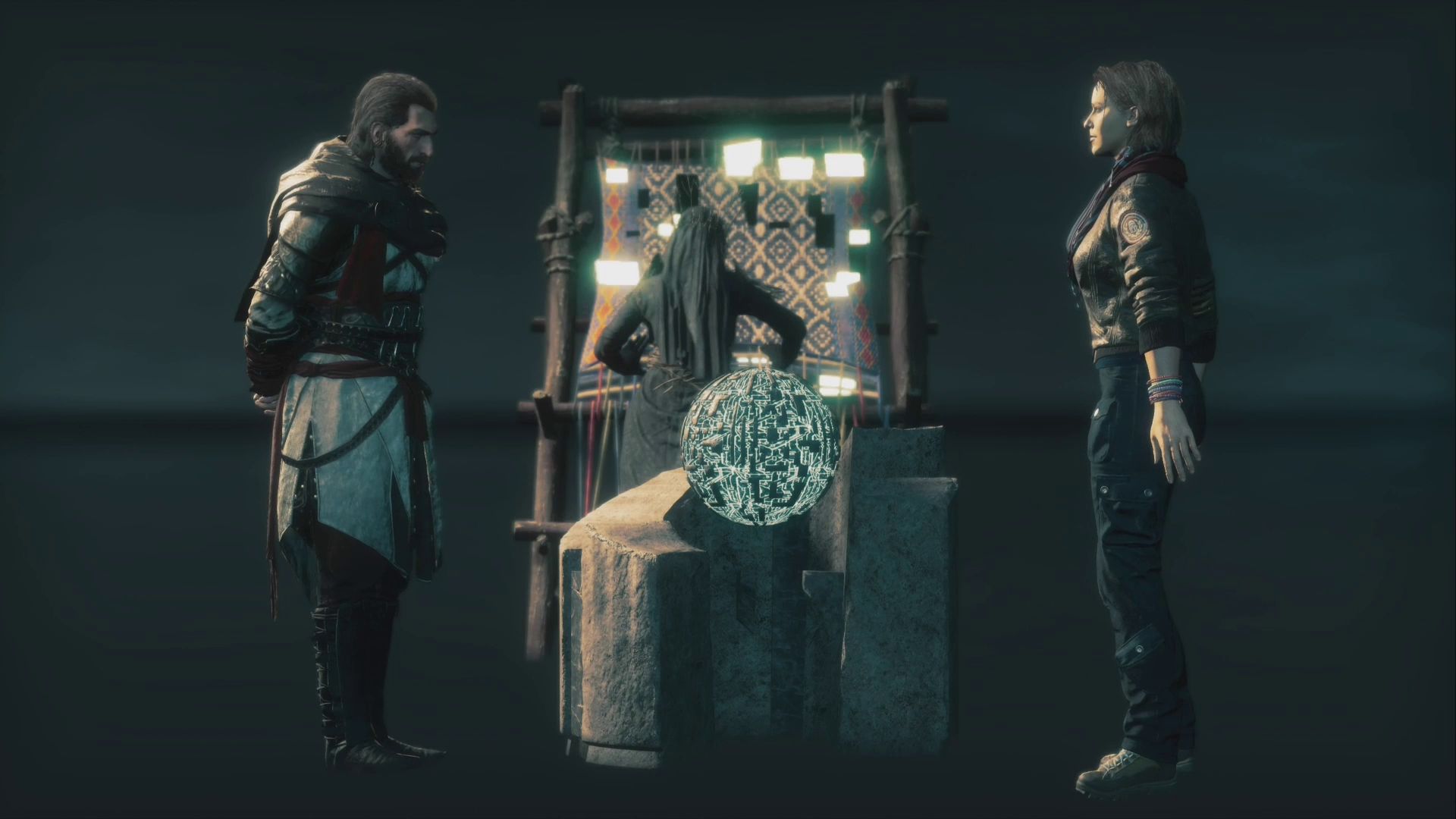
Meanwhile, in the modern day element, Layla's trip into the Norwegian vault plugs her into the same simulation. Present, the Norse weavers continue to work out connected the looms of fortune, in a shadow of the now broken Valhalla. Basim exists in the simulation, and he is the matchless who sent the subject matter finished the internet. From inside the hush-hush Isu vault , his consciousness sent the Assassins the articulation subject matter saying to look into the memories of Eivor.
Basim says he has been working with who he calls The Reader, and who we call Desmond, in order to prevent yet another catastrophe like the one that Desmond prevented in 2012. Interestingly, the Norse loom weavers disappear the minute Layla touches an Apple of Eden and Basim disappears, meaning that their Book of Job is done. Layla, as the supposed 'Heir of Memories,' was always meant to reach this place.
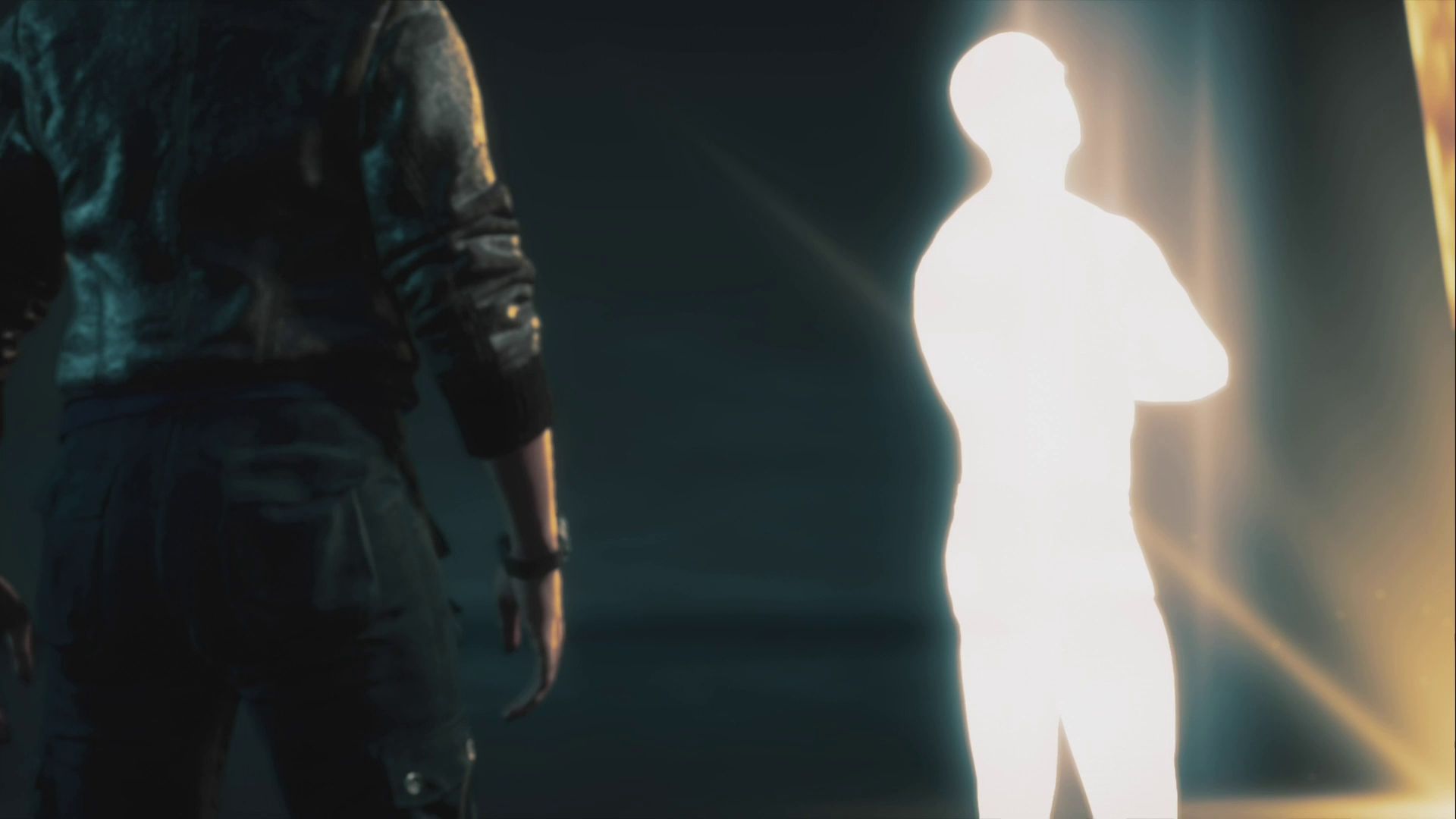
And then there's The Reader. We'd recognise Nolan North's voice anywhere, and that's Desmond Miles as a white silhouette who has been working out all the possible futures of the world. Makes no less sense than Loki, eh? Atomic number 2 never says that he is Desmond, but The Subscriber is trying to work forbidden how to save the world with a series of calculations. Within a tree, all the data in the universe can be used to compute a way to slow the Last Day. Layla suggests looking at the alternate realities from hind in 2012, in a world where Desmond didn't save the world to see if humans worked impossible a way to survive. Layla stays with The Reader in the pretence when she is told that her soma has no chance, meaning we're definitely non going to be playing as her again. So long and thanks for the Desoxyribonucleic acid-based memories, Layla...
What's going to happen now that Basim is out in the world?
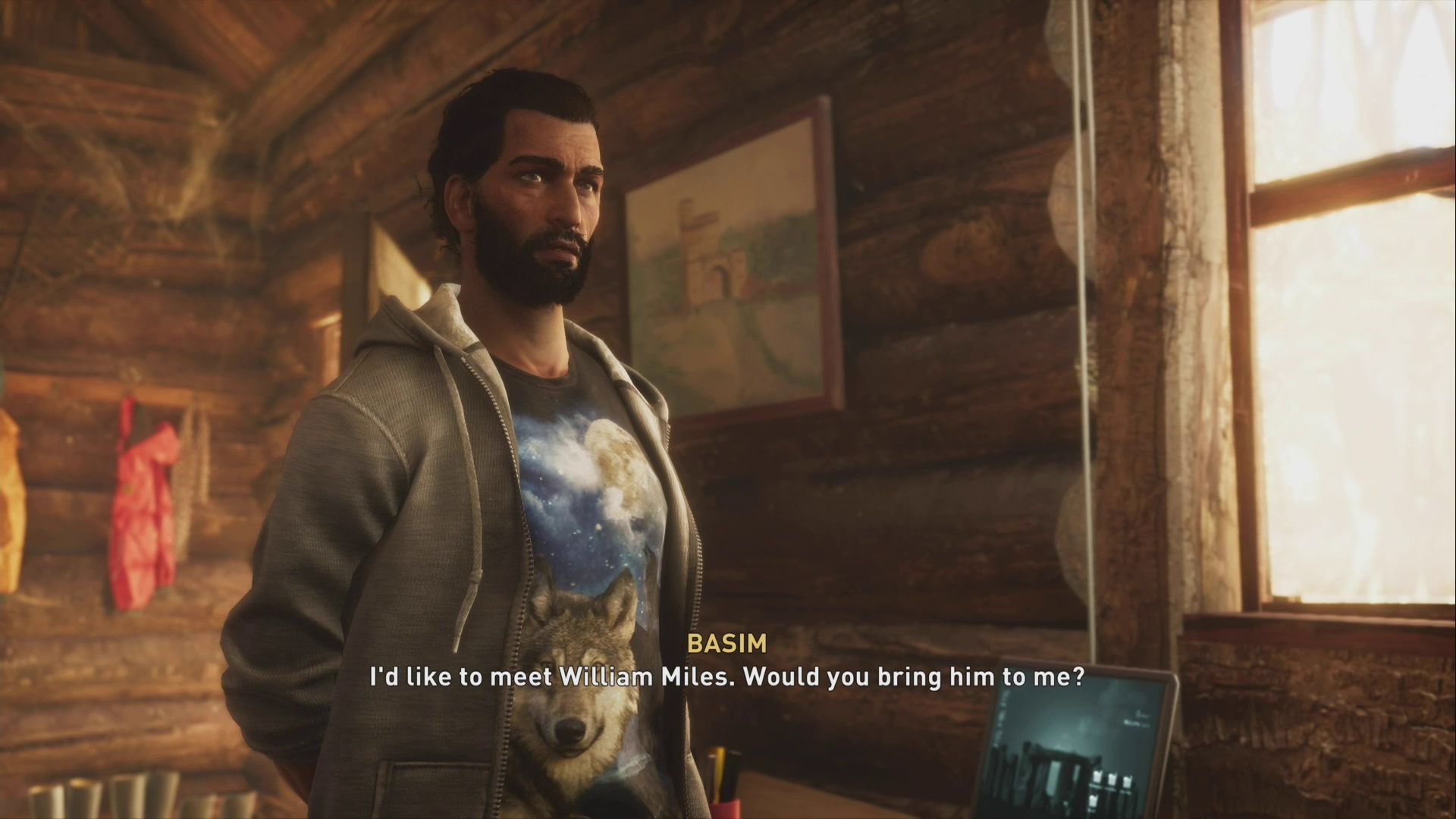
This much is unclear. Spell Basim has managed to heal himself with the faculty, he is still an Isu. In fact, he speaks to Aletheia inside the stave (who helium calls 'my love') and says that the Heir of Memories performed her task absolutely. Layla was apparently always destined to die in the vault, bringing him the staff of power and Aletheia, and letting him unfashionable into the universe. An Isu has a sunrise body and a staff of ultimate mightiness. Oops. That's the next ten years of Assassin's Creed organised…
Whether we'll fancy Layla and The Reader once more is unclear just Rebecca, Shaun and Basim are clear our modern day protagonists for the foreseeable. Basim's first postulation is to meet Desmond's dad William, the head of the Assassins, and who knows what his true purpose is. Desmond's dad being picked off away Loki in the opener of succeeding year's Creed anyone? We might not even rich person to hold off very long, given the amount of Walhalla DLC on the way. Nothing is true after all...
Have you ground all of the Assassin's Creed Valhalla legendary animals yet? If not and so check into our guide and the video below.
Louise can often be found observance horror, drinking burnt umber and beating you at The Binding Of Isaac: Rebirth.

Source: https://www.gamesradar.com/assassins-creed-valhalla-ending-good-bad-choice/
Posted by: quadeliandn.blogspot.com
0 Response to "Assassin’s Creed Valhalla ending explained: How to get the good one and what does it all mean? - quadeliandn"
Post a Comment